Author: sznbone Release date: Dec 08, 2025
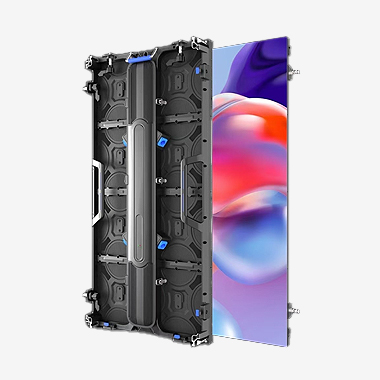
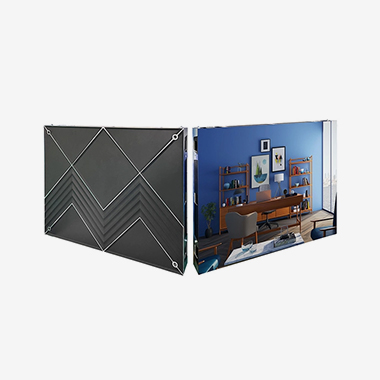
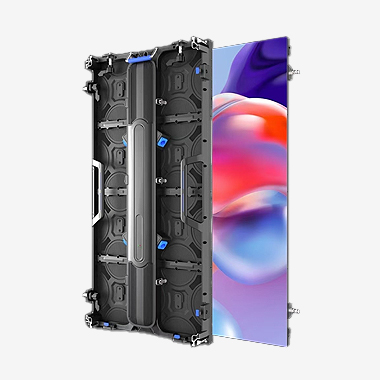
LED screen studio displays are the backbone of broadcast and film production, used in TV studios, movie sets, and live event venues to deliver high-quality visuals for audiences and production teams. These screens are built to meet professional broadcast standards: ultra-high resolution (4K/8K), wide color gamuts (covering 100% of DCI-P3 for film or REC.709 for TV), and precise color calibration to ensure visuals match the intended creative vision. They also feature low input lag (under 10ms) to avoid synchronization issues with cameras, lighting, and audio systems—critical for live broadcasts.
A primary application of studio LED screens is as “virtual backgrounds” (often called LED volumes) in film and TV production. Unlike traditional green screens, LED volumes display photorealistic 3D environments in real time, letting actors interact with dynamic backdrops (e.g., a moving cityscape or a alien planet) while cameras capture the scene. This eliminates the need for post-production compositing for backgrounds, reducing production time and ensuring more natural lighting for actors. For example, a sci-fi TV show might use a curved LED volume to create a spaceship bridge interior, with the background updating as actors move, making the scene feel more immersive.
In live TV studios, LED screens serve multiple roles: anchor desks often have small LED displays showing teleprompter text (hidden from cameras but visible to hosts), while large backdrop screens display show logos, guest introductions, or pre-recorded video clips. These screens support high brightness (up to 1,500 nits) to stand out under studio lights, and narrow bezels for seamless video walls—ideal for large-scale sets like newsrooms or talk shows. Many studio LED systems integrate with broadcast software, allowing producers to switch between content (e.g., live camera feeds, graphics, or pre-roll videos) with a single click. By delivering professional-grade visuals and streamlining production workflows, LED screen studio displays have become indispensable for modern broadcast and film projects.


Copyright © 2026 Shenzhen Cogo Technology Co.,Ltd.
All Rights Reserved

 Previous article