Author: sznbone Release date: Dec 11, 2025
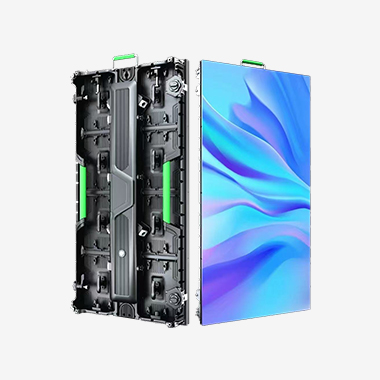
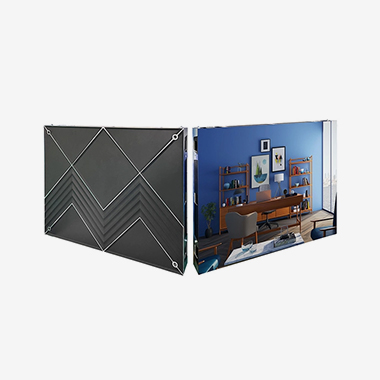
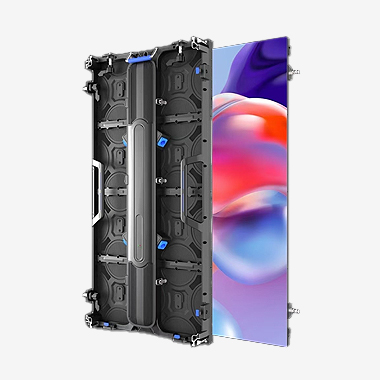
LED screen square displays are iconic fixtures in urban public squares, serving as a bridge between local governments, communities, and residents for information dissemination, cultural activities, and emergency alerts. These screens are engineered for outdoor durability: IP65 weatherproof ratings to resist rain, dust, and extreme temperatures (-30°C to 60°C), with anti-glare, high-brightness panels (600-1000 nits) that remain visible even in direct sunlight—ensuring content is accessible to crowds at all times of day. They feature large sizes (often 100+ inches or video walls) and wide viewing angles (170°+ horizontal/vertical) to reach hundreds of people gathered in the square.
A primary role of square LED screens is public information sharing. They display government announcements (e.g., “Community Health Check-Up – July 10, Central Square”), local news highlights (e.g., “City Wins ‘Green City’ Award”), and practical updates (e.g., “Air Quality Today: Good, Suitable for Outdoor Activities”). During large-scale events—such as New Year’s Eve countdowns, National Day celebrations, or cultural festivals—screens become the focal point, broadcasting live performances, countdown timers, or crowd-participatory activities (e.g., “Wave to the Camera for a Live Shot!”) that unify the gathering.
Emergency response is a critical function too. In case of natural disasters (e.g., typhoons, earthquakes) or public safety incidents, square LED screens override regular content to broadcast real-time alerts (e.g., “Typhoon Warning: Evacuate to Nearby Shelters”) with loud, clear audio and bold text—reaching residents who may not have access to phones or TVs. They also support public service campaigns: e.g., anti-smoking videos, garbage classification guides, or COVID-19 prevention tips—promoting healthy, sustainable community habits. By serving as a versatile, visible public platform, LED screen square displays strengthen community cohesion, keep residents informed, and enhance urban public safety.


Copyright © 2026 Shenzhen Cogo Technology Co.,Ltd.
All Rights Reserved

 Previous article