Author: sznbone Release date: Dec 15, 2025
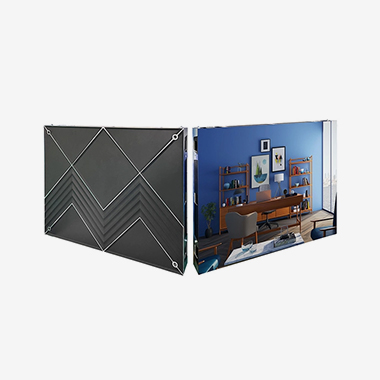
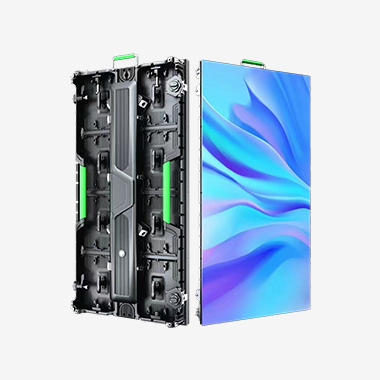
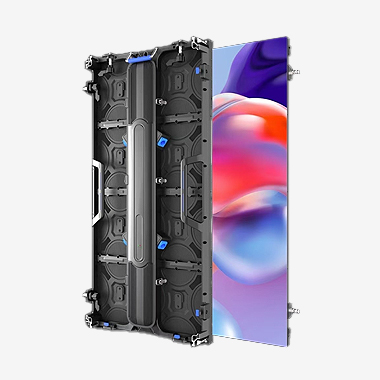
LED screen image display excels in presenting static visual content with exceptional clarity, color accuracy, and adaptability, making it a staple across commercial, cultural, and institutional settings. This function leverages the technology’s inherent strengths—high pixel density, wide color gamut (often covering 90%+ of the DCI-P3 color space), and adjustable brightness—to render images from product photos to artistic masterpieces with stunning realism. Unlike traditional displays, LED screens maintain image integrity even in extreme lighting conditions, from bright outdoor plazas to dimly lit museums.
A key advantage is its compatibility with diverse image formats (JPG, PNG, TIFF, and RAW) and customization for irregular screen shapes. For instance, 德基艺术博物馆 uses a 110-meter 环形 LED screen to display high-resolution scans of the 宋代《金陵图》, with seamless stitching between straight and curved panels ensuring the ancient painting’s details—from brush strokes to color gradients—remain intact across the entire display. In retail, luxury brands utilize high-pixel-density LED screens to showcase product close-ups, where textures like leather grain or fabric weave are visible in striking detail, enhancing purchasing intent.
Image display also integrates with advanced processing technologies. Many systems offer automatic color calibration and brightness adjustment to match ambient light, ensuring consistency from morning to evening. For outdoor billboards, weatherproof LED panels preserve image quality against rain and UV rays, while anti-glare coatings prevent washed-out visuals in direct sunlight. Whether used for art exhibitions, retail promotions, or corporate branding, LED screen image display turns static visuals into impactful communication tools, bridging the gap between digital content and real-world engagement.


Copyright © 2026 Shenzhen Cogo Technology Co.,Ltd.
All Rights Reserved

 Previous article