Author: sznbone Release date: Jun 22, 2026
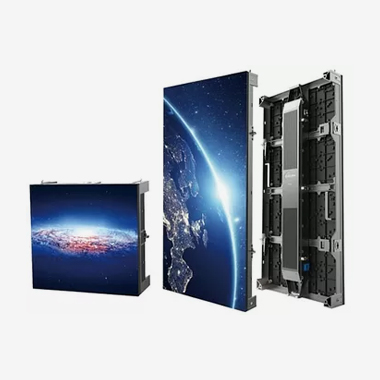
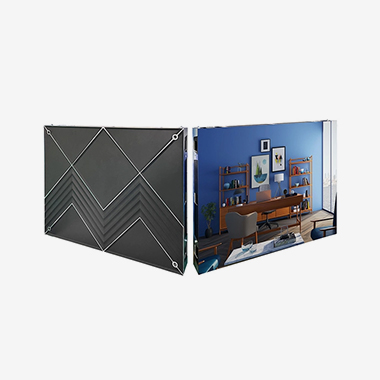
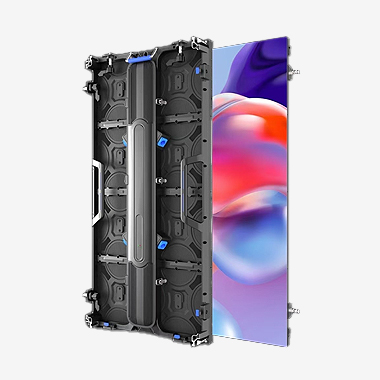
Airport terminals are important urban transportation hubs and urban external image windows, featuring large-area glass curtain wall structures, ultra-high passenger flow, and diversified information release needs. The application of LED mesh screens in airport terminal glass facades perfectly matches the large-space, high-transparency, high-safety, and high-stability operation requirements of airport scenarios, providing an intelligent, efficient, and beautiful information release and scene creation solution for modern airport terminals. Traditional airport terminal publicity mostly relies on indoor fixed display screens, poster billboards, and static signs, which have limited coverage, single display form, and poor timeliness, and cannot meet the needs of large-flow passenger guidance, flight information publicity, urban image display, and commercial brand promotion. LED mesh screens installed on the large-area glass facade of terminal buildings break the spatial limitation of indoor display, realizing ultra-large-scale outdoor dynamic display and becoming a core intelligent display carrier for airport terminals.
Safety and stability are the primary advantages of airport-specific LED mesh screens. As a key public transportation hub, airports have extremely strict standards for building auxiliary equipment. The LED mesh screen adopts a lightweight and hollow anti-collision structure, which does not increase the structural load of the terminal’s large glass curtain wall and fully complies with airport building load-bearing safety specifications. The product has super high weather resistance, including waterproof, dustproof, anti-corrosion, wind resistance, and anti-ultraviolet performance, which can stably operate in complex outdoor environments such as high-altitude strong wind, high humidity, and strong sunlight for a long time without failure. In addition, the screen body has no sharp edges and corners, and the modular assembly structure is firm and reliable, which will not fall off or damage under extreme weather, ensuring the absolute safety of terminal building structure and pedestrian passage. At the same time, the high-transparency design does not block the sight line of terminal personnel and equipment, does not affect the daily patrol and safety monitoring work of the airport, and fully meets the strict safety management standards of airport operation.
In terms of functional application, airport terminal LED mesh screens have diversified core values. First, they realize efficient public information release, including flight dynamic reminders, airport service guidelines, passenger safety tips, weather early warning information, and emergency evacuation notices, covering all passengers and airport staff in a wide range, improving the efficiency of airport information transmission and passenger travel experience. Second, they undertake the important task of urban image display. As the first impression window of a city facing foreign tourists and business travelers, the airport terminal’s external mesh screen can display urban scenery, cultural characteristics, tourism resources, and urban development achievements, shaping a good urban image and enhancing urban popularity and influence. Third, it provides high-quality commercial advertising carriers, which can display high-end brand advertisements, aviation service promotions, airport supporting commercial promotions, etc., creating stable commercial income for airport operation.
In terms of scene adaptation and intelligent operation, the LED mesh screen is perfectly compatible with the super-large glass facade of the airport terminal, realizing seamless splicing and integrated installation, with no splicing gaps and overall beautiful and atmospheric display effect. The high-definition display chip ensures clear and delicate picture quality, even in strong outdoor light, the display content is still visible, meeting the all-weather display needs of the airport. The intelligent system supports multi-terminal remote control, multi-screen synchronous linkage, and real-time information docking, which can be connected with the airport flight information system to automatically update flight dynamics data, realizing intelligent and unmanned information release. In addition, the low-power energy-saving design reduces the long-term operation energy consumption of the airport, and the mute heat dissipation structure does not produce noise pollution, creating a quiet and comfortable travel environment for passengers, fully meeting the high-standard operation requirements of modern intelligent airports.


Copyright © 2026 Shenzhen Cogo Technology Co.,Ltd.
All Rights Reserved

 Previous article