Author: sznbone Release date: Jan 08, 2026
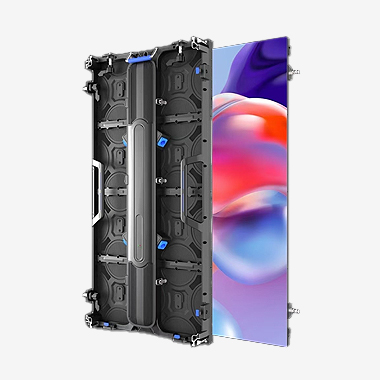
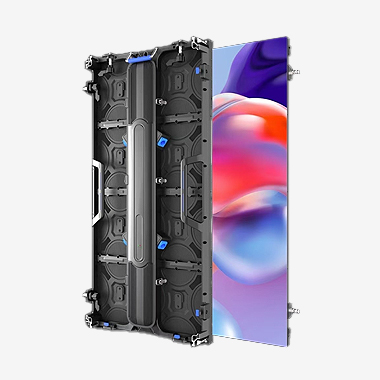
LED mesh screen, also known as LED grid screen, is characterized by its unique mesh-like structure, which is composed of numerous thin LED light strips or modules connected in a grid pattern. This structure gives it exceptional light transmission and wind resistance, making it particularly suitable for outdoor large-scale display scenarios such as stadiums, concert venues, and high-rise building curtain walls. The light transmission rate of LED mesh screens can usually reach 60% to 90%, which not only ensures good visibility of the displayed content but also does not affect the indoor lighting and ventilation of the building.
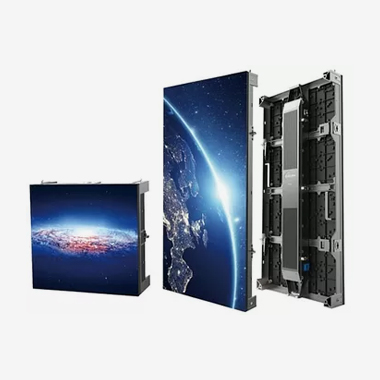
Lightweight and easy to install are another important features of LED mesh screens. Compared with traditional outdoor LED display screens, LED mesh screens are much lighter in weight, which greatly reduces the requirements for the bearing capacity of the installation structure. This makes the installation process simpler and faster, and also reduces the installation cost. Moreover, the modular design of LED mesh screens allows for flexible splicing, enabling them to form display screens of different sizes and shapes to meet the needs of various application scenarios.
LED mesh screens also have excellent display performance and durability. They adopt high-quality LED lamp beads, which have high brightness, good color consistency, and wide viewing angles, ensuring that the displayed content is clear and vivid from all directions. In terms of durability, LED mesh screens are made of high-quality waterproof and anti-corrosion materials, which can adapt to various harsh outdoor environments. They have strong resistance to wind, rain, dust, and ultraviolet rays, and can operate stably for a long time. Additionally, the heat dissipation performance of LED mesh screens is excellent due to their open mesh structure, which effectively prolongs the service life of the screen.


Copyright © 2026 Shenzhen Cogo Technology Co.,Ltd.
All Rights Reserved

 Previous article