Author: sznbone Release date: May 25, 2026
Watch exhibitions are a celebration of precision, craftsmanship, and timeless elegance. Unlike other consumer goods, watches are intricate timepieces that blend technical innovation with artistic design, requiring a display medium that can do justice to their complexity and beauty. LED indoor rental screens have become an indispensable tool for watch exhibitions, offering a perfect combination of high-definition visualization, flexibility, and technical adaptability to meet the unique needs of this specialized industry. Whether it’s a high-end luxury watch exhibition, a technical watch fair, or a brand launch event, LED indoor rental screens enhance the display of watches, engage visitors, and elevate the overall professionalism of the event.
The primary reason LED indoor rental screens are ideal for watch exhibitions is their ability to showcase the intricate details of watches with unmatched clarity. Watches are small, precision-engineered devices with tiny components—from the gears and springs inside the movement to the engravings on the dial, the texture of the strap, and the glow of the hands. To fully appreciate these details, visitors need a display that can zoom in on the smallest features without losing sharpness or clarity. LED indoor rental screens with small pixel pitches (P1.2-P2.5) deliver ultra-high resolution, ensuring that even the most minute details are visible. For example, a close-up video of a mechanical watch’s movement, showing the gears turning in perfect synchronization, can be displayed on the LED screen with crystal-clear clarity, allowing visitors to appreciate the technical mastery behind the timepiece.
Color accuracy is another critical factor for watch exhibitions, as watches come in a wide range of colors and finishes—from the polished stainless steel of a sports watch to the rose gold of a luxury timepiece, the black ceramic of a modern design, or the vibrant dial colors of a fashion watch. LED rental screens with broadcast-grade color reproduction (110% sRGB gamut coverage and δe < 2 accuracy) ensure that the colors and finishes of the watches are displayed exactly as they are in real life. This is essential for potential buyers, who need to see the true color of the watch’s case, dial, and strap before making a purchase. Unlike traditional displays, which can wash out colors or create a yellowish tint, LED screens maintain consistent color accuracy across the entire display, even when viewed from different angles, thanks to their wide viewing angles (up to 160°).
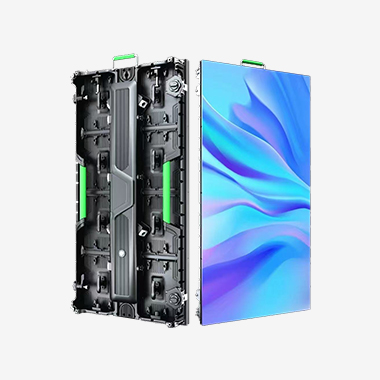
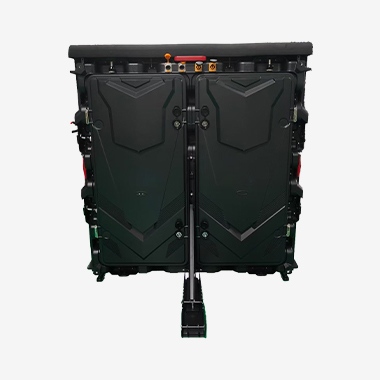
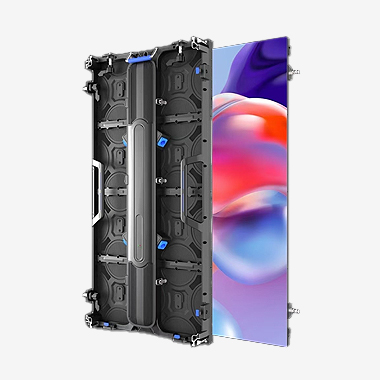
Flexibility is a key requirement for watch exhibition organizers, who often need to adapt the exhibition space to different watch collections, themes, and layouts. LED indoor rental screens are modular by design, making them easy to assemble, disassemble, and reconfigure. The ultra-light die-cast aluminum cabinets (weighing ≤ 8 kg per panel for models like P3.9) make transportation and installation quick and efficient, even in venues with limited access or tight deadlines. Whether the exhibition requires a large video wall to showcase the brand’s entire collection, small individual screens next to each watch display case, or a curved screen to create a dynamic focal point, LED rental screens can be customized to fit any space and design vision. They can also be folded at 0°-90° to create curved or ring-shaped displays, adding a touch of sophistication that aligns with the elegance of watch design.
Technical performance is another area where LED indoor rental screens excel for watch exhibitions. Watches often feature luminous hands and dials, which are designed to be visible in low light conditions. LED rental screens can be adjusted to match the ambient lighting of the exhibition space, ensuring that the luminous features of the watches are displayed correctly without being washed out by excessive brightness. The screens’ brightness ranges from 800-1500 cd/㎡ for indoor use, which can be adjusted in real-time via a control system or mobile app. This flexibility allows organizers to create the perfect lighting environment for each watch collection—whether it’s a dimly lit area for luxury watches to highlight their elegance, or a brighter area for sports watches to showcase their durability and functionality.
Ease of maintenance is also a crucial benefit for watch exhibitions, where any technical issues can disrupt the flow of the event and damage the brand’s reputation. LED indoor rental screens feature front-maintenance magnetic modules, allowing for quick and easy module replacement (in as little as 3 seconds) without removing the entire cabinet. This is particularly useful for high-altitude installations or screens integrated into watch display cases, where accessing the back of the screen may be difficult. Additionally, the screens support hot-swappable power supplies and receiver cards, ensuring that maintenance can be performed without interrupting the playback of content. This reliability is essential for watch exhibitions, which often run for several days and require continuous operation.
The content displayed on LED screens plays a vital role in enhancing the watch exhibition experience. Brands can use the screens to showcase not just the watches themselves, but also the technical innovation and craftsmanship behind them. High-definition videos of watchmakers assembling the movement, testing the accuracy of the timepiece, or explaining the features of a new model can be played on the screens to educate visitors and build brand credibility. For example, a luxury watch brand could use the LED screen to show a 4K video of their master watchmaker handcrafting a movement, highlighting the precision and skill required to create each timepiece. This storytelling approach not only engages visitors but also elevates the perceived value of the watches, positioning them as more than just timekeeping devices but works of art.
Interactive features are another way LED indoor rental screens can enhance watch exhibitions. Touch-screen LED panels can be installed at the exhibition booth, allowing visitors to zoom in on specific watch details, view different angles, or access additional information about the watch’s features, movement, and warranty. Interactive timelines can be created to show the brand’s history and evolution, while virtual try-on features (integrated with AR technology) can let visitors “try on” different watches virtually, helping them visualize how the watch would look on their wrist. This not only increases visitor engagement but also makes the exhibition more interactive and memorable, encouraging visitors to spend more time at the booth.
When selecting an LED indoor rental screen for a watch exhibition, several factors need to be considered. Pixel pitch is a key consideration—for close-up viewing (2-5 meters), smaller pixel pitches (P1.2-P1.8) are recommended to ensure maximum detail, especially for showcasing the intricate movement of mechanical watches. For larger displays or viewing distances beyond 5 meters, P2.0-P2.5 pixel pitches offer a balance between clarity and cost-effectiveness. Brightness is another important factor; indoor watch exhibitions typically require 800-1200 cd/㎡ to avoid glare on the watch’s surface and ensure optimal visibility. Additionally, the screen’s flatness and seamless splicing are crucial—high-precision die-cast aluminum cabinets ensure that the screen surface is perfectly flat, with no visible gaps between panels, creating a cohesive and professional display.
Case studies demonstrate the effectiveness of LED indoor rental screens in watch exhibitions. A leading luxury watch brand recently used a P1.8 LED rental screen as the centerpiece of their exhibition booth, showcasing their new collection of mechanical watches. The screen displayed high-definition videos of the watches’ movements, allowing visitors to see the gears turning in real-time. The brand reported a 40% increase in visitor engagement and a 25% increase in sales inquiries compared to the previous year’s exhibition, which used traditional LCD screens. Another example is a technical watch fair that used multiple small LED rental panels next to each watch display case, showing close-up videos of the watch’s features and specifications. This approach allowed visitors to quickly access detailed information about each watch, enhancing their understanding and interest.
In summary, LED indoor rental screens are the perfect display solution for watch exhibitions, offering unmatched clarity, color accuracy, flexibility, and reliability. They allow brands to showcase the intricate details, technical innovation, and artistic design of their watches, engage visitors through interactive content, and create a professional and immersive exhibition experience. For watch brands and event organizers looking to make a lasting impression and drive engagement, LED indoor rental screens are a strategic investment that delivers tangible results.


Copyright © 2026 Shenzhen Cogo Technology Co.,Ltd.
All Rights Reserved

 Previous article