Author: sznbone Release date: May 19, 2026
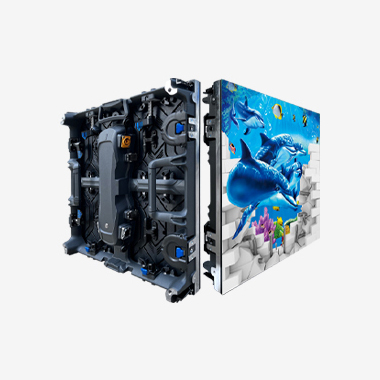
Furniture exhibitions are a vital platform for furniture brands to showcase their latest designs, connect with retailers, and inspire consumers. Unlike other industries, furniture is a product that relies heavily on visual presentation—its shape, texture, color, and functionality must be clearly communicated to resonate with potential buyers. In this context, LED indoor rental screens have become an essential component of furniture exhibition booths, offering a versatile, high-quality display solution that brings furniture designs to life. Unlike permanent displays, rental LED screens are adaptable to different booth sizes, design themes, and content needs, making them ideal for the dynamic, temporary nature of furniture exhibitions, where brands often rebrand and redesign their booths for each event.
The primary advantage of LED indoor rental screens for furniture exhibitions is their ability to display high-definition visuals that accurately replicate the texture and color of furniture materials. Furniture designs often feature a wide range of materials—from rich wood grains and soft fabrics to sleek metals and glossy finishes—all of which require a display solution that can capture their unique characteristics. LED rental screens with fine pixel pitches (P1.5 to P3.9) and advanced color calibration technology deliver exceptional clarity and color accuracy, ensuring that the wood grain of a dining table, the texture of a velvet sofa, or the sheen of a glass coffee table is reproduced with stunning realism. This is critical for furniture brands, as attendees often make purchasing decisions based on how a piece looks and feels—and a high-quality display can bridge the gap between seeing a product on screen and experiencing it in person.
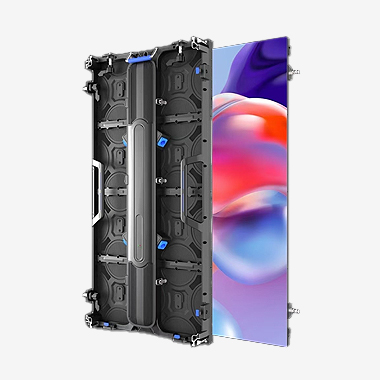
Flexibility is another key benefit of LED indoor rental screens for furniture exhibitions. Furniture booths vary widely in size and layout—from small, intimate spaces for boutique brands to large, open pavilions for major manufacturers. Rental LED screens feature modular designs, allowing brands to create custom display configurations that fit their booth’s unique dimensions and design theme. For example, a brand specializing in modern, minimalist furniture might use a large, seamless LED wall as a backdrop for its furniture pieces, displaying subtle, neutral-toned visuals that complement the products without overwhelming them. A brand focusing on outdoor furniture could use curved LED screens to create a simulated outdoor environment, with footage of gardens, patios, and landscapes that showcase how the furniture fits into real-world settings. Additionally, rental LED screens can be easily reconfigured between events, allowing brands to refresh their booth design without investing in new display hardware.
LED indoor rental screens also enable furniture brands to showcase their products in context, which is crucial for helping attendees visualize how the furniture will look in their own homes. Unlike static photographs or printed posters, LED screens can display dynamic content—such as room mock-ups, lifestyle videos, and 360-degree views of furniture pieces. For example, a brand selling a bedroom set could use an LED screen to show the set in a variety of bedroom styles—modern, traditional, bohemian—allowing attendees to imagine how it would fit into their own space. Lifestyle videos can show the furniture being used in everyday scenarios—family dinners around a dining table, friends relaxing on a sofa, children playing on a bed—creating an emotional connection with attendees. 360-degree views, meanwhile, allow attendees to see every angle of a furniture piece, from the front to the back, ensuring that they don’t miss any design details.
Interactive features further enhance the value of LED indoor rental screens at furniture exhibitions, turning passive viewing into engaging experiences. Many rental LED systems can be integrated with touch sensors, allowing attendees to interact with the content displayed on the screen. For example, a touch-enabled LED screen could allow attendees to select different colors, fabrics, or finishes for a sofa, with the changes reflected instantly on the screen. They could also zoom in on specific details—such as the stitching on a chair or the hardware on a cabinet—to get a closer look. Some brands even use AR technology to allow attendees to “place” furniture pieces in their own homes using their smartphones. By scanning a QR code on the LED screen, attendees can use an AR app to see how a sofa, table, or bed would look in their living room, bedroom, or dining room—making the purchasing decision more tangible and less risky.
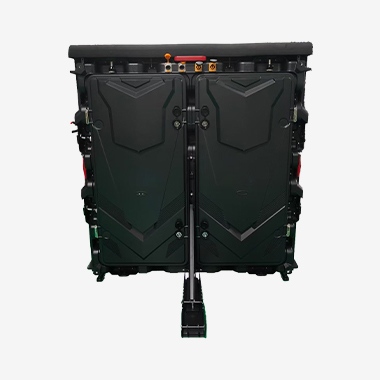
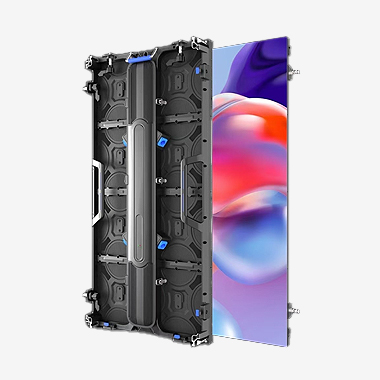
Reliability and ease of maintenance are also critical for furniture exhibitions, where booths are set up quickly and need to operate flawlessly throughout the event. LED indoor rental screens are built to withstand frequent transport and assembly, with durable cabinets that protect internal components from damage. Many models feature front-maintenance designs, allowing technicians to replace faulty modules in minutes without disassembling the entire screen—minimizing downtime. Additionally, rental LED screens come with redundant power and signal systems, ensuring that if one power supply or cable fails, the screen continues to operate. Rental providers also offer on-site technical support, with technicians available to address any issues quickly, ensuring that the display remains operational throughout the event.
Real-world examples demonstrate the impact of LED indoor rental screens on furniture exhibition success. A leading furniture brand recently used a 15-meter-wide LED wall at a major international furniture exhibition to showcase its latest collection of modern sofas and chairs. The screen displayed high-definition lifestyle videos of the furniture in contemporary homes, interspersed with close-ups of the fabrics and finishes. Attendees were able to interact with the screen to select different fabric options and see how they would look on the furniture, resulting in a 25% increase in inquiries from retailers. Another example is a boutique furniture brand that used small LED screens placed next to each furniture piece, displaying product specifications, material information, and customer reviews. This setup allowed attendees to access detailed information about each product without relying on sales staff, leading to longer booth停留 times and more informed purchasing decisions.
As the furniture industry continues to evolve—with a growing focus on sustainability, customization, and smart furniture—LED indoor rental screens are evolving to meet the changing needs of brands. New innovations, such as energy-efficient LED panels and AI-powered content delivery, are making rental screens more cost-effective and engaging. For example, energy-efficient panels reduce power consumption, lowering rental costs and aligning with the sustainability goals of many furniture brands. AI-powered content delivery allows screens to display personalized content based on attendee demographics—such as showing family-friendly furniture to parents or minimalist designs to young professionals—enhancing engagement and relevance.
In conclusion, LED indoor rental screens have become an indispensable tool for furniture exhibitions, offering brands a versatile, high-quality way to showcase their designs and connect with attendees. Their ability to display accurate, high-definition visuals, flexible configurations, interactive features, and reliable performance makes them the perfect solution for the dynamic nature of furniture exhibitions. Whether it’s a small local show or a large international event, rental LED screens enable furniture brands to create immersive, memorable experiences that inspire attendees and drive sales. As technology continues to advance, LED indoor rental screens will remain a key component of furniture exhibition design, helping brands stand out in a competitive market and connect with consumers in meaningful ways.


Copyright © 2026 Shenzhen Cogo Technology Co.,Ltd.
All Rights Reserved

 Previous article