Author: sznbone Release date: May 13, 2026
In the dynamic and ever-evolving world of fashion, every detail contributes to the narrative of a collection, and visual presentation has become an indispensable element of fashion show success. The LED indoor rental screen has emerged as a transformative tool for runway events, redefining how designers showcase their creations and how audiences experience fashion. Unlike traditional static backdrops or projection systems, LED indoor rental screens offer unparalleled flexibility, high-definition visuals, and seamless integration with the creative vision of fashion shows, making them a staple in modern runway productions. From intimate boutique shows to large-scale international fashion weeks, these screens elevate the runway experience by blending technology with artistry, creating immersive environments that highlight the beauty, craftsmanship, and story behind each garment.
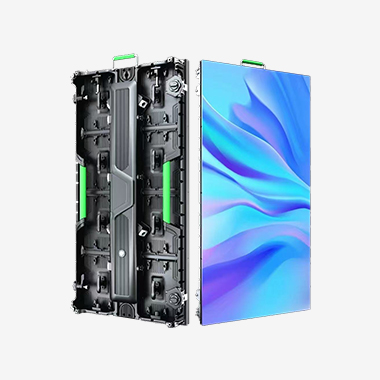
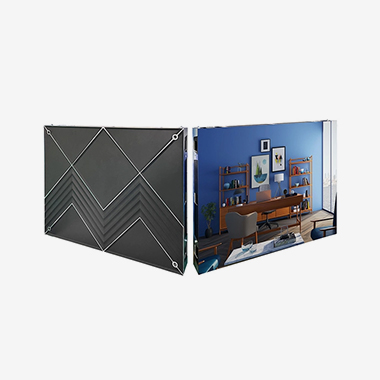
The unique demands of a fashion show runway require display solutions that are not only visually stunning but also adaptable, reliable, and easy to deploy—qualities that LED indoor rental screens excel at. Fashion shows are often held in diverse venues, from historic theaters and art galleries to modern convention centers, and each space presents its own challenges in terms of size, layout, and lighting. LED indoor rental screens address these challenges through their modular design, which allows for custom configurations tailored to the specific dimensions and aesthetic of the runway. Whether designers need a single large backdrop, multiple side screens, or even curved or irregularly shaped displays to complement the runway’s architecture, modular LED panels can be easily assembled and adjusted to fit any space, ensuring a cohesive and visually striking setup.
One of the most critical advantages of LED indoor rental screens for fashion show runways is their exceptional image quality. Fashion is all about detail—from the texture of a fabric and the stitching of a seam to the drape of a garment and the subtle nuances of color. LED screens with fine pixel pitches (typically ranging from P1.2 to P3.9) deliver ultra-high-definition visuals with crisp clarity, vibrant colors, and high contrast, ensuring that every detail of the clothing is showcased in its best light. Unlike projectors, which can suffer from washed-out colors, blurriness, or glare in well-lit environments, LED screens maintain consistent brightness and color accuracy even under the intense stage lighting commonly used in fashion shows. This is particularly important for runway events, where lighting design is carefully curated to enhance the garments, and the display must complement rather than compete with the lighting scheme.
Color accuracy is another key feature that makes LED indoor rental screens ideal for fashion runways. Fashion designers invest countless hours in selecting the perfect shades and hues for their collections, and any deviation in color reproduction can distort the intended vision. High-quality LED rental screens offer wide color gamuts (often covering 98% or more of the sRGB spectrum) and point-by-point color calibration, ensuring that the colors displayed on the screen match the actual colors of the garments with exceptional precision. This level of accuracy is crucial for both in-person audiences and live-stream viewers, as it ensures that everyone experiences the collection as the designer intended. Whether showcasing bold, vibrant prints or subtle, muted tones, LED screens bring the designer’s color palette to life with stunning realism.
Flexibility in content display is another major benefit of LED indoor rental screens for fashion runways. Fashion shows are not just about displaying clothing—they are about telling a story, and the visual backdrop plays a vital role in setting the tone and narrative of the collection. LED screens allow designers to display dynamic, high-definition content that complements the garments, such as abstract patterns, nature scenes, cultural references, or even short films that align with the collection’s theme. For example, a designer showcasing a summer collection might use the LED screen to display footage of sunsets, beaches, or blooming flowers, creating a cohesive and immersive experience that transports the audience to the world of the collection. Similarly, a avant-garde collection might feature bold, abstract animations that reflect the experimental nature of the designs.
In addition to static and pre-recorded content, LED indoor rental screens support real-time content, adding an interactive element to fashion shows. Many modern runway events incorporate live feeds of the models as they walk the runway, allowing audiences to see close-up shots of the garments in motion. This is particularly valuable for large venues where some audience members may be seated far from the runway, as the LED screen ensures that no one misses the details of each look. Some shows even use interactive technology, such as motion sensors or audience polling, to allow the audience to engage with the content displayed on the screen, creating a more dynamic and memorable experience.
Reliability is a non-negotiable factor for fashion show runways, where any technical glitch can disrupt the entire event. LED indoor rental screens are designed for frequent assembly, disassembly, and transportation, making them highly durable and reliable. Reputable rental screens feature robust construction, with die-cast aluminum cabinets that are lightweight yet sturdy, protecting the internal components from damage during transport and setup. They also include dual power and signal redundancy systems, ensuring that if one power source or signal fails, the screen will continue to operate without interruption. This level of reliability is essential for fashion shows, which are often live-streamed to a global audience and cannot afford downtime.
Ease of setup and teardown is another key advantage of LED indoor rental screens for fashion runways. Fashion shows typically have tight timelines, with setup often occurring in a matter of hours before the event and teardown required immediately after. LED rental screens are designed for quick installation, with modular panels that can be easily connected using quick-lock systems (which will be discussed in detail in the next section). This allows the AV team to set up the screen quickly and efficiently, saving valuable time and reducing labor costs. Additionally, the lightweight design of the panels makes them easy to transport and handle, even in venues with limited access.
The adaptability of LED indoor rental screens also makes them suitable for different types of fashion shows. For intimate, small-scale shows, a compact LED screen can serve as a subtle backdrop, focusing attention on the garments without overwhelming the space. For large-scale fashion weeks, multiple LED screens can be used to create a surround-sound-like visual experience, with screens placed along the sides of the runway, above the audience, or even as a floor display (LED floor screens) that interacts with the models’ movements. LED floor screens, in particular, have become increasingly popular in fashion shows, as they can display dynamic content that complements the garments, such as patterns that change as the models walk or reflections that enhance the visual impact of the clothing.
Another benefit of LED indoor rental screens for fashion runways is their cost-effectiveness. For most fashion designers and event organizers, purchasing a permanent LED screen is not feasible, as fashion shows are often one-time events or held in different venues. Renting LED screens allows them to access high-quality, state-of-the-art display technology without the upfront cost of purchasing and maintaining the equipment. Additionally, rental companies typically provide full support, including delivery, setup, calibration, and teardown, freeing up the event team to focus on other aspects of the show.
In recent years, LED indoor rental screens have become a defining feature of some of the world’s most prestigious fashion events. From Paris Fashion Week to New York Fashion Week, designers have embraced LED technology to create unforgettable runway experiences. For example, a luxury fashion brand might use a curved LED screen to create a immersive tunnel effect, with the screen wrapping around the runway to make the audience feel as if they are part of the collection’s world. Another brand might use multiple LED screens to display different angles of the garments simultaneously, allowing the audience to see the front, back, and sides of each look as the models walk by.
As technology continues to advance, LED indoor rental screens are becoming even more versatile and powerful. New developments, such as transparent LED screens, are opening up new possibilities for fashion runways. Transparent LED screens allow light to pass through, creating a “floating” visual effect that can be used to display content while still allowing the audience to see the background behind the screen. This is particularly useful for venues with unique architectural features that designers want to highlight, as the transparent screen can complement rather than obscure the space.
In conclusion, LED indoor rental screens have revolutionized the way fashion shows are presented, offering designers a powerful tool to bring their creative vision to life. With their exceptional image quality, color accuracy, flexibility, reliability, and ease of use, these screens have become an essential component of modern runway events. Whether used as a simple backdrop or as part of a complex, immersive setup, LED indoor rental screens enhance the audience’s experience, highlight the beauty of the garments, and help fashion designers tell their story in a visually compelling way. As fashion continues to evolve, LED technology will undoubtedly play an even greater role in shaping the future of runway presentations.


Copyright © 2026 Shenzhen Cogo Technology Co.,Ltd.
All Rights Reserved

 Previous article