Author: sznbone Release date: May 27, 2026
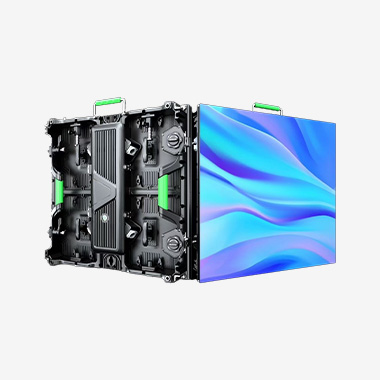
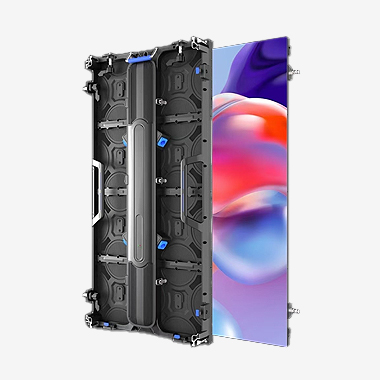
Education fairs serve as vital bridges between educational institutions, students, parents, and industry professionals, providing a platform to showcase academic programs, career opportunities, and educational innovations. In an era where digital technology is reshaping education, the need for effective visual communication has never been greater. LED indoor rental screens have emerged as a transformative tool for education fairs, offering a versatile, high-impact solution that enhances the way educational institutions present their offerings, engage with attendees, and convey their brand values. Unlike permanent installations, LED rental screens provide the flexibility and cost-effectiveness needed for temporary events, making them ideal for education fairs that often feature rotating participants and dynamic content needs. From displaying campus tours and program highlights to facilitating interactive Q&A sessions, LED indoor rental screens are redefining the education fair experience, helping institutions stand out and connect with their target audience effectively.
One of the primary benefits of LED indoor rental screens for education fairs is their ability to deliver clear, high-definition content that effectively showcases educational programs and campus life. For students and parents, choosing an educational institution is a significant decision, and they rely on detailed, visually engaging information to make informed choices. LED screens, with their small pixel pitches (P1.8 to P2.5 for close-up viewing, as recommended for education settings) and wide color gamut, can display high-quality videos of campus facilities, classroom environments, student activities, and faculty interviews with stunning clarity. For example, a university might use a large LED screen to play a virtual campus tour, allowing attendees to explore dormitories, libraries, laboratories, and recreational facilities from the comfort of the fair booth. This not only saves time for both attendees and institutions but also provides a more immersive and informative experience than traditional brochures or static posters.
Flexibility is a key advantage of LED indoor rental screens for education fairs, as educational institutions come in all sizes—from small colleges and vocational schools to large universities—and have varying booth requirements. LED rental screens are modular, meaning they can be assembled and configured into any size or shape to fit the specific needs of each institution’s booth. For instance, a small community college might use a compact LED screen to display program flyers and student testimonials, while a large university could use a multi-screen setup to showcase different colleges (e.g., business, engineering, arts) simultaneously. Additionally, LED screens can be easily reconfigured throughout the fair, allowing institutions to update their content or adjust their display based on attendee interest. This flexibility is particularly valuable for education fairs, where booth space is often limited and institutions need to make the most of their available area.
Interactive capabilities are transforming the role of LED indoor rental screens in education fairs, turning passive attendees into active participants. Students and parents often have questions about academic programs, admission requirements, financial aid, and campus life, and LED screens can facilitate real-time interaction through features such as touchscreens, live Q&A sessions, and interactive quizzes. For example, an LED touchscreen can be set up to allow attendees to input their interests (e.g., science, art, business) and receive personalized information about relevant programs. Another popular interactive feature is live streaming of campus events or faculty lectures, allowing attendees to connect with current students and professors in real time. This not only enhances engagement but also provides attendees with direct access to the information they need to make informed decisions.
Cost-effectiveness is a significant consideration for educational institutions, many of which operate on tight budgets and participate in multiple education fairs throughout the year. Purchasing permanent LED screens is often prohibitively expensive, and storing and transporting them between events adds additional costs and logistical challenges. LED indoor rental screens eliminate these issues, as institutions only pay for the duration of the event, and the rental company handles delivery, installation, maintenance, and removal. This allows institutions to allocate their budget more efficiently, investing in other aspects of their fair presence—such as printed materials, staff training, or interactive activities. Additionally, rental companies offer the latest LED technology, so institutions can access cutting-edge screens with advanced features (such as adaptive brightness, low blue light, and high refresh rates) without the upfront cost of purchasing new equipment.
LED indoor rental screens also play a crucial role in creating a professional and trustworthy image for educational institutions. In a competitive education fair environment, where dozens of institutions are vying for the attention of students and parents, a strong visual presence is essential. LED screens can be used to display consistent branding elements—such as logos, color schemes, and institutional messaging—reinforcing brand recognition and creating a cohesive look across the booth. For example, a prestigious university might use a large LED backdrop with its seal and motto, creating a sense of tradition and authority. Additionally, LED screens can be used to display student success stories, alumni achievements, and accreditation information, helping to build trust with attendees and demonstrate the institution’s commitment to excellence.
Practical considerations, such as energy efficiency and ease of use, also make LED indoor rental screens ideal for education fairs. LED screens consume less power than traditional display technologies such as projectors or LCD screens, reducing energy costs and the institution’s carbon footprint. They also require minimal maintenance, with rental companies providing on-site technical support to ensure that the screens run smoothly throughout the fair. Additionally, LED screens are easy to operate, with user-friendly controls that allow institution staff to update content, adjust brightness, and manage interactive features without specialized training. This ease of use is particularly valuable for education fair staff, who often have multiple responsibilities and limited time to manage complex equipment.
LED indoor rental screens also support multilingual content, which is increasingly important in today’s diverse education landscape. Many education fairs attract international students and parents who speak different languages, and LED screens can display content in multiple languages, ensuring that all attendees have access to important information. For example, a university with a large international student population might use an LED screen to display program information, admission requirements, and campus life content in English, Spanish, Mandarin, and other languages. This not only enhances accessibility but also demonstrates the institution’s commitment to diversity and inclusion.
Case studies demonstrate the impact of LED indoor rental screens on education fairs. For example, at a national education fair in London, a leading university used a 4m×3m LED rental screen to showcase its engineering program. The screen displayed high-definition videos of students working in state-of-the-art laboratories, faculty conducting cutting-edge research, and alumni working in top engineering firms. The interactive touchscreen feature allowed attendees to explore different engineering specializations (e.g., mechanical, electrical, civil) and access detailed program information. This resulted in a 35% increase in inquiries about the engineering program compared to the previous year. Another example is a vocational school that used a small LED screen to display student portfolios and hands-on training videos, helping attendees visualize the practical skills they would learn. This led to a 25% increase in applications from fair attendees.
In conclusion, LED indoor rental screens are an essential tool for education fairs, offering a perfect combination of visual quality, flexibility, interactivity, and cost-effectiveness. They enable educational institutions to showcase their programs and campus life in an engaging and informative way, connect with students and parents, and build a professional and trustworthy image. As the education industry continues to embrace digital technology, LED indoor rental screens will remain a key component of successful education fair strategies, helping institutions stand out in a competitive market and attract the next generation of students. Whether it’s a local high school fair or a large international education expo, LED indoor rental screens have the power to transform the education fair experience, making it more informative, interactive, and memorable for both institutions and attendees.


Copyright © 2026 Shenzhen Cogo Technology Co.,Ltd.
All Rights Reserved

 Previous article