Author: sznbone Release date: Mar 05, 2026
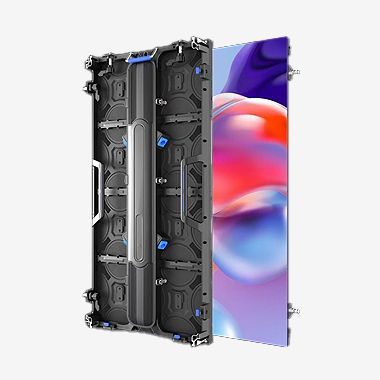
In the era of intelligent digitalization, LED indoor fixed screens have evolved from simple display devices to core components of smart systems, and those integrated with remote monitoring functions stand out as a game-changer in various industries. This type of LED screen combines high-definition display performance with advanced remote management technology, enabling users to monitor, control, and maintain the screen in real time from any location with network access. It not only enhances operational efficiency but also reduces maintenance costs, making it an indispensable choice for large-scale venues, commercial complexes, industrial parks, and public institutions.
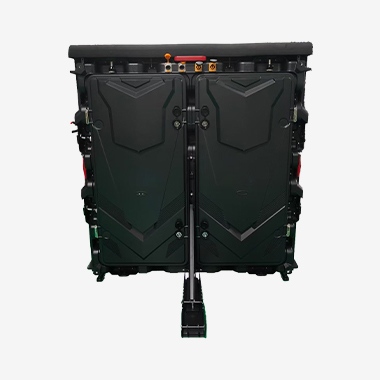
The core value of an LED indoor fixed screen with remote monitoring function lies in its intelligent management system, which is built on a combination of hardware modules and software platforms. Hardware-wise, the screen is equipped with high-precision sensors and intelligent control chips that can collect real-time data such as screen brightness, temperature, voltage, current, and operating status. These sensors are seamlessly integrated into the LED module design, ensuring accurate data collection without affecting the display effect. The control chip processes the collected data and transmits it to the cloud server or local control center through wired (Ethernet, RS485) or wireless (WiFi, 4G/5G) networks, enabling remote access and management.
On the software side, the remote monitoring platform provides a user-friendly interface that supports multi-terminal access, including computers, mobile phones, and tablets. Users can log in to the platform through a dedicated APP or web portal to view the real-time operating status of the LED screen. The platform displays key parameters in the form of charts and dashboards, allowing users to quickly identify potential issues. For example, if the screen temperature exceeds the safe threshold, the system will automatically send an alarm notification to the user via SMS, email, or in-app alert, enabling timely intervention to prevent hardware damage. Additionally, the platform supports remote control functions such as adjusting brightness, contrast, and volume, switching display content, and restarting the screen. This eliminates the need for on-site operations, especially useful for screens installed in high-altitude or hard-to-reach locations.
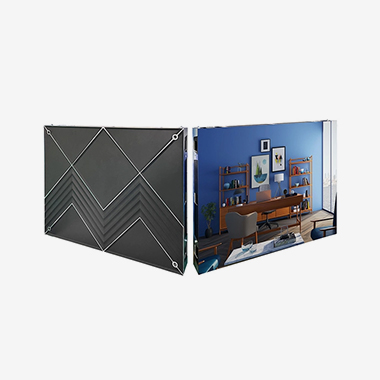
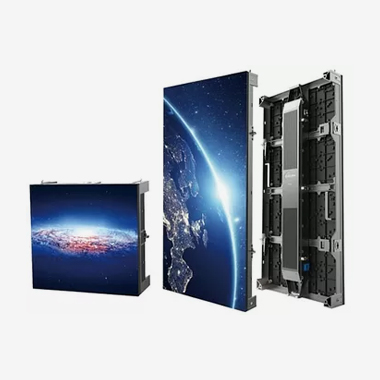
In terms of display performance, LED indoor fixed screens with remote monitoring function maintain the high standards of modern LED display technology. They adopt RGB full-color LED chips with high brightness, high contrast, and wide viewing angles, ensuring clear and vivid images even in bright indoor environments. The pixel pitch can be customized according to specific needs, ranging from P1.25 to P5.0, making them suitable for both close-range viewing (such as in small meeting rooms) and long-distance viewing (such as in large auditoriums). The screen also supports seamless splicing, allowing users to create large-scale display walls of any size and shape without visual gaps, which is ideal for venues that require immersive display effects.
Application scenarios for this type of LED screen are diverse and widespread. In commercial complexes, large LED screens installed in atriums or shopping malls can be remotely monitored to ensure stable operation of promotional content, and brightness can be adjusted according to indoor lighting conditions to save energy. In industrial parks, LED screens used for displaying production data and safety information can be remotely managed by the control center, ensuring that real-time data is accurately displayed and any malfunctions are promptly addressed. In public institutions such as hospitals and schools, LED screens for announcements and information dissemination can be remotely updated and monitored, reducing the workload of on-site staff. Moreover, in data centers and command centers, where 24/7 stable operation is critical, the remote monitoring function enables administrators to keep track of the screen status at all times, ensuring uninterrupted display of important data.
Reliability and stability are key considerations for LED indoor fixed screens with remote monitoring function. The product is designed with a robust structure, using high-quality aluminum alloy frames and waterproof and dustproof materials to adapt to different indoor environments. The intelligent temperature control system automatically adjusts the cooling fan speed according to the screen temperature, preventing overheating and extending the service life of the LED chips. Additionally, the remote monitoring system supports fault diagnosis and self-repair functions. For minor faults such as signal loss, the system can automatically reset to restore normal operation; for major faults, it can provide detailed fault reports to assist maintenance personnel in quickly locating and resolving issues.
Energy efficiency is another notable advantage of this type of LED screen. The remote monitoring system can optimize energy consumption by adjusting the screen brightness based on ambient light and usage time. For example, during nighttime or when the venue is less crowded, the brightness can be reduced to save electricity without affecting the viewing effect. Furthermore, LED chips themselves are more energy-efficient than traditional display technologies such as LCD and CRT, and when combined with intelligent power management, the screen can achieve significant energy savings, contributing to environmental protection and cost reduction for users.
In terms of scalability, LED indoor fixed screens with remote monitoring function are designed to be compatible with various third-party systems, such as video surveillance systems, access control systems, and smart building management systems. This allows users to integrate the LED screen into a comprehensive smart system, realizing centralized management of multiple devices. For example, in a smart building, the LED screen can display real-time data from the video surveillance system and access control system, and the remote monitoring platform can manage all these devices in a unified manner, enhancing the overall intelligence level of the building.
The market demand for LED indoor fixed screens with remote monitoring function is growing rapidly as more industries embrace digital transformation and intelligent management. Manufacturers are continuously upgrading their products to improve performance and functionality, such as integrating AI technology for intelligent content analysis and prediction, and enhancing cloud platform security to protect user data. With the continuous advancement of technology, this type of LED screen will become more intelligent, efficient, and cost-effective, bringing greater value to users in various industries.


Copyright © 2026 Shenzhen Cogo Technology Co.,Ltd.
All Rights Reserved

 Previous article