Author: sznbone Release date: Dec 25, 2025
The installation of indoor rental screens is a crucial process that requires careful planning, technical expertise, and attention to detail to ensure a successful and visually impactful display at events. From the initial site survey to the final calibration, each step plays a vital role in delivering a seamless visual experience for the audience.
The installation process begins with a comprehensive site survey. Technicians visit the event venue to assess the available space, structural support, lighting conditions, and electrical infrastructure. This information is used to determine the optimal location and size of the rental screen. For example, in a venue with low ceilings, a smaller - sized screen or a screen with a more compact installation design may be preferred to avoid obstruction. The survey also helps identify any potential challenges, such as limited access points or uneven surfaces, which need to be addressed during the installation.
Once the site assessment is complete, the next step is the transportation and delivery of the rental screen components to the venue. The screens are carefully packaged to prevent damage during transit. Upon arrival, the components are unpacked and inspected for any signs of damage. Any damaged parts are replaced immediately to ensure the integrity of the installation.
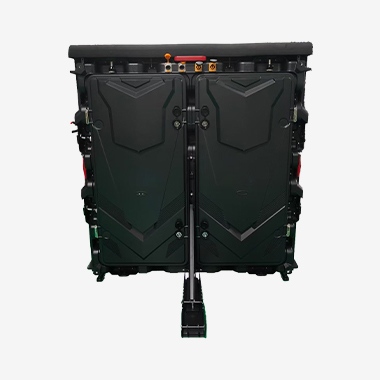
The actual assembly of the indoor rental screen starts with the installation of the mounting structure. Depending on the type of screen and the venue's requirements, this can involve wall - mounting brackets, ceiling - suspension systems, or free - standing frames. The mounting structure must be securely installed to support the weight of the screen and withstand any vibrations or movements during the event. Professional installers use specialized tools and equipment to ensure proper alignment and leveling of the mounting structure, as even a slight misalignment can result in visual distortion on the screen.
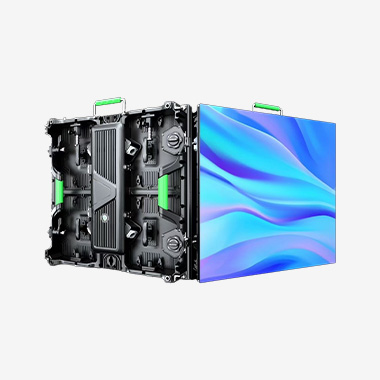
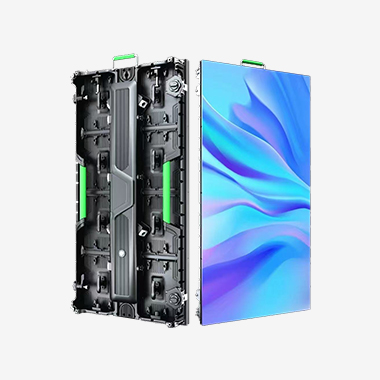
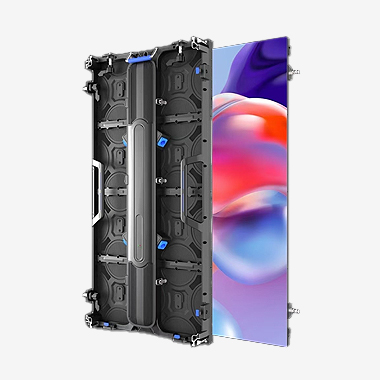
After the mounting structure is in place, the LED modules or panels are installed. These modules are carefully connected to each other and to the power and control systems. The wiring is organized neatly to prevent tangling and ensure easy access for maintenance. Once all the modules are installed, the screen undergoes a series of tests to check for proper functionality, including power - on tests, signal connectivity tests, and color calibration tests.
Color calibration is a critical step in the installation process. Technicians use specialized equipment to adjust the screen's color settings, ensuring accurate color reproduction and consistent brightness across the entire display. This step is essential for creating a visually appealing and professional - looking presentation.
Finally, the installation team conducts a final inspection to ensure that everything is in place and functioning properly. They also provide training to the event organizers or venue staff on how to operate the screen's control system and perform basic troubleshooting. The installation of indoor rental screens is a complex but rewarding process that, when done correctly, can transform any indoor event into a visually stunning experience.


Copyright © 2026 Shenzhen Cogo Technology Co.,Ltd.
All Rights Reserved

 Previous article