Author: sznbone Release date: Mar 18, 2026
Street advertising has evolved significantly with the advent of energy-saving LED outdoor fixed screens, which combine high visibility, dynamic content capabilities, and eco-friendly operation. These screens are specifically designed for urban street environments, where they are exposed to varying weather conditions and require long hours of operation—often 12 to 18 hours a day. Energy efficiency is a core advantage of these screens, as it reduces operational costs and minimizes environmental impact, making them a sustainable choice for advertisers and city planners alike.
The energy-saving performance of these LED screens is achieved through a combination of advanced technologies, including high-efficiency LED chips, intelligent power management systems, and low-power consumption components. Modern LED chips, such as those using Gallium Nitride (GaN) technology, have a higher luminous efficacy—measured in lumens per watt (lm/W)—compared to traditional LED chips. This means they can produce the same level of brightness with less energy, reducing power consumption by up to 30% compared to conventional outdoor LED screens. Additionally, the screens are equipped with dimming systems that automatically adjust the brightness based on the time of day and surrounding light conditions. During nighttime, when natural light is low, the screen dims to a lower brightness level, further saving energy without compromising visibility.
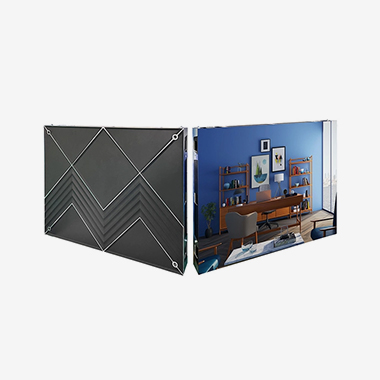
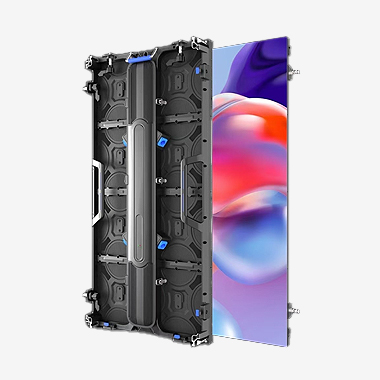
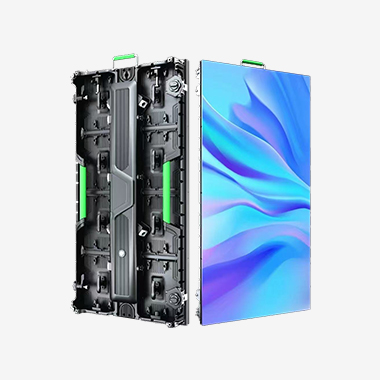
Another key feature of energy-saving LED outdoor fixed screens for street advertising is their modular design, which contributes to both energy efficiency and ease of maintenance. Each screen is composed of individual LED modules, which can be replaced independently if they malfunction. This modular design reduces waste and lowers maintenance costs, as operators do not need to replace the entire screen when a single module fails. Moreover, the modules are designed with efficient heat dissipation systems, which prevent overheating and reduce the need for energy-consuming cooling devices. Some advanced screens even use passive heat dissipation technology, eliminating the need for fans or air conditioning units, thus saving additional energy.
Visibility is crucial for street advertising LED screens, as they need to capture the attention of pedestrians and motorists in busy urban environments. These screens typically have a brightness level of 4,000 to 6,000 nits, which is sufficient to remain visible under direct sunlight while consuming less energy than high-brightness stadium screens. They also offer a wide viewing angle—up to 160 degrees horizontally and vertically—ensuring that the content is visible from multiple directions. This wide viewing angle is particularly important for street advertising, as it allows the screen to reach a larger audience, including pedestrians walking on both sides of the street and motorists passing by.
The content capabilities of energy-saving LED outdoor fixed screens make them highly versatile for street advertising. Unlike static billboards, these screens can display dynamic content such as videos, animations, slideshows, and real-time updates. Advertisers can easily update their content remotely through a central control system, allowing for quick adjustments to promotions, campaigns, and messages. This flexibility is a major advantage for businesses, as it enables them to target specific audiences at different times of the day. For example, a coffee shop can display morning promotion messages during rush hour, while a restaurant can showcase its dinner menu in the evening. Additionally, these screens can integrate with data sources such as weather forecasts, traffic updates, and social media feeds, providing valuable information to the public while displaying advertising content.
Durability is essential for street advertising LED screens, as they are exposed to a range of environmental factors, including rain, dust, wind, and temperature fluctuations. These screens are built with rugged, weatherproof enclosures that have an IP65 or higher rating, ensuring protection against dust and water. The LED modules are also resistant to UV radiation, which prevents color fading and degradation over time. Furthermore, the screens are designed to withstand extreme temperatures, operating efficiently in environments ranging from -20°C to 60°C. This durability ensures that the screens can operate reliably for many years, even in harsh urban conditions.
From an environmental perspective, energy-saving LED outdoor fixed screens are a sustainable alternative to traditional advertising methods. By reducing energy consumption, these screens lower carbon emissions and help cities meet their environmental goals. Additionally, LED screens do not contain harmful substances such as mercury, which is present in some traditional displays, making them safer for the environment and easier to dispose of at the end of their lifespan. Many cities around the world are now encouraging the use of energy-saving LED screens for street advertising as part of their smart city initiatives, which aim to improve urban sustainability and quality of life.
The economic benefits of energy-saving LED outdoor fixed screens are significant for both advertisers and screen operators. For advertisers, the dynamic content capabilities and wide audience reach of these screens offer a higher return on investment (ROI) compared to static billboards. They can target specific demographics more effectively and update their content in real time, reducing the cost of printing and installing new billboards. For screen operators, the energy-saving features reduce electricity bills, which are a major operational expense for outdoor advertising screens. The long lifespan and low maintenance costs of these screens also contribute to lower overall operational costs, increasing profitability.
In conclusion, energy-saving LED outdoor fixed screens are an ideal solution for street advertising, offering a perfect balance of visibility, versatility, durability, and sustainability. They enable advertisers to deliver dynamic, engaging content to a large audience while reducing energy consumption and environmental impact. As cities continue to embrace smart and sustainable technologies, these screens will play an increasingly important role in shaping the future of urban advertising.


Copyright © 2026 Shenzhen Cogo Technology Co.,Ltd.
All Rights Reserved

 Previous article